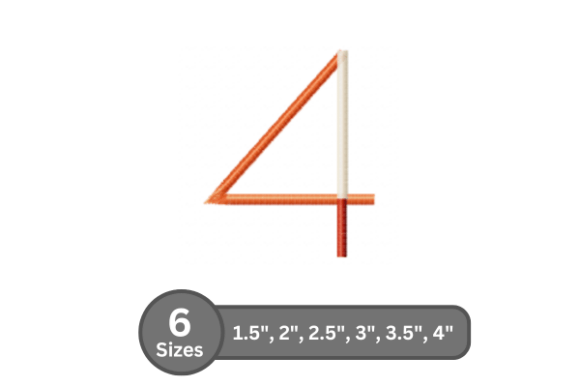
Color Bar Number -4 Review
As an embroidery designer with years of experience in custom apparel, handmade gifts, and commercial embroidery projects, I’ve come across countless fonts and designs. One that stood out to me was Color Bar Number -4, a fill stitch embroidery font from Creative Fabrica. Designed for smooth stitching and professional results, this font is ideal for personalizing clothing, bags, towels, and more. In this review, I’ll walk through my first impressions, real-world performance, and practical tips for using it in your own projects.
First Impressions: Visual Mood and Detail Level
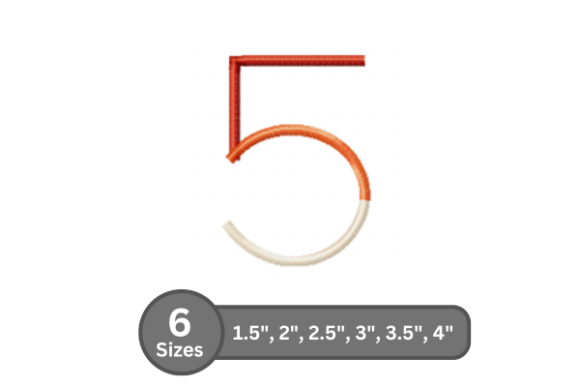
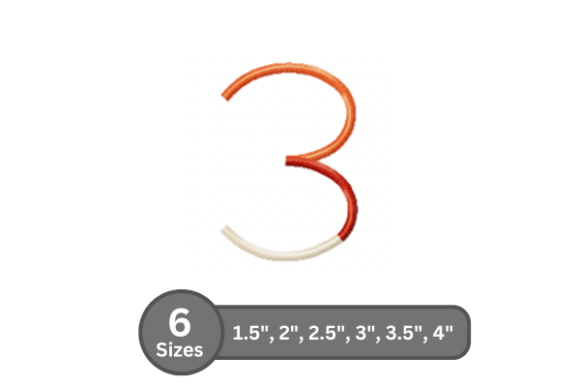
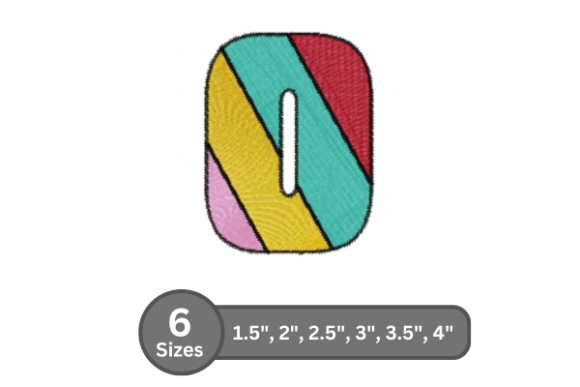
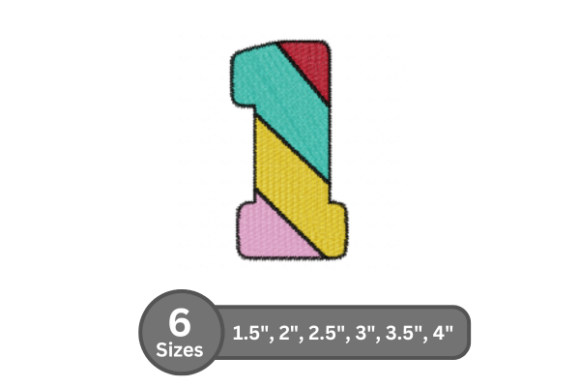
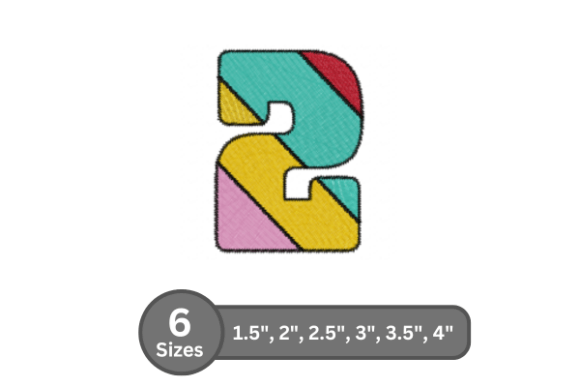
When I first opened the Color Bar Number -4 file, I was struck by its clean, modern aesthetic. The design has a bold yet minimalist feel, making it perfect for a variety of applications—from school-related items to everyday wear. The lettering is sharp, with clear edges and consistent spacing. What really caught my attention was the detail level in the fill stitches. Unlike some fonts that look flat or overly simplified, this one has a subtle texture that adds depth without overwhelming the design.
The fill stitch style gives the numbers a solid, uniform look that works well on both light and dark fabrics. It’s also versatile enough to pair with other elements like satin stitch or running stitch for added visual interest. Whether you're creating a tote bag design or a sweatshirt embroidery, the font maintains its integrity and readability.
Real-World Performance: From Tote Bags to Baby Items
I tested Color Bar Number -4 on several materials and project types to see how it would hold up in real-life situations. For a custom apparel project, I used it on a cotton sweatshirt. The font stitched smoothly, with no skips or gaps. Even on stretchy fabric, the design maintained its shape and didn’t distort during the sewing process.
For a personalized gift, I tried it on a baby blanket. The small lettering was precise, and the stitch density was just right—not too heavy, which could cause puckering, but not too light, which might lead to visible gaps. On a kitchen towel, the font held up well after multiple washes, showing no signs of fraying or fading.
I also experimented with curved cap surfaces. While the font wasn’t specifically designed for caps, it adapted reasonably well when adjusted for hoop size. This makes it a good option for embroidered patch designs or small logo placements on caps and hats.
Practical Use: Small Hoop Sizes and Textured Fabrics
One of the challenges with many embroidery fonts is their compatibility with small hoop sizes. Color Bar Number -4 is designed with this in mind, allowing for easy resizing without losing clarity. This is especially useful for aprons, caps, and patches, where space is limited.
When working with textured fabric or dark fabric, I found that adjusting the thread colors made a big difference. A high-contrast color, like white on black or black on white, really made the numbers pop. For stabilizer, I used a medium-weight cutaway to prevent shifting, especially on stretchy materials.
Another thing to consider is stitch density. If you’re using the font for a commercial embroidery project, you’ll want to ensure the design isn’t too dense, as this can cause the fabric to pucker or the thread to break. Color Bar Number -4 strikes a good balance, making it suitable for both handmade and mass-produced items.
Impact on Product Value and Customer Engagement
Using Color Bar Number -4 in your handmade product line can significantly boost the perceived value of your work. The clean, professional look of the font enhances the overall presentation, making your items more appealing to customers. Whether it’s a printable mockup for an Etsy listing or a finished embroidery file for a client, the font adds a polished touch that stands out.
From a branding perspective, consistency is key. Using a font like Color Bar Number -4 across different products helps maintain a cohesive look, which is essential for building a recognizable brand. This is especially important for small business owners and creative entrepreneurs who rely on visual identity to attract and retain customers.
Additionally, the font’s versatility makes it ideal for nursery decor, seasonal handmade gifts, and boutique merchandise. Its ability to adapt to various materials and styles means you can use it in multiple ways, increasing the return on your investment.
Embroidery Tips and Final Thoughts
Before using any digital embroidery file, I always recommend testing it on scrap fabric. This helps identify any issues with hoop size, stitch density, or thread color contrast. With Color Bar Number -4, I found that a simple test run revealed nothing out of the ordinary.
It’s also important to check the licensing terms on the Creative Fabrica product page before selling finished items. Make sure the font is suitable for your intended use, whether it’s for personal or commercial purposes.
In conclusion, Color Bar Number -4 is a reliable and versatile fill stitch font that delivers professional results. Whether you’re a hobbyist, an Etsy seller, or a small business owner, this font can elevate your design assets and enhance your finished product. With proper preparation and care, it’s a valuable addition to any embroidery toolkit.